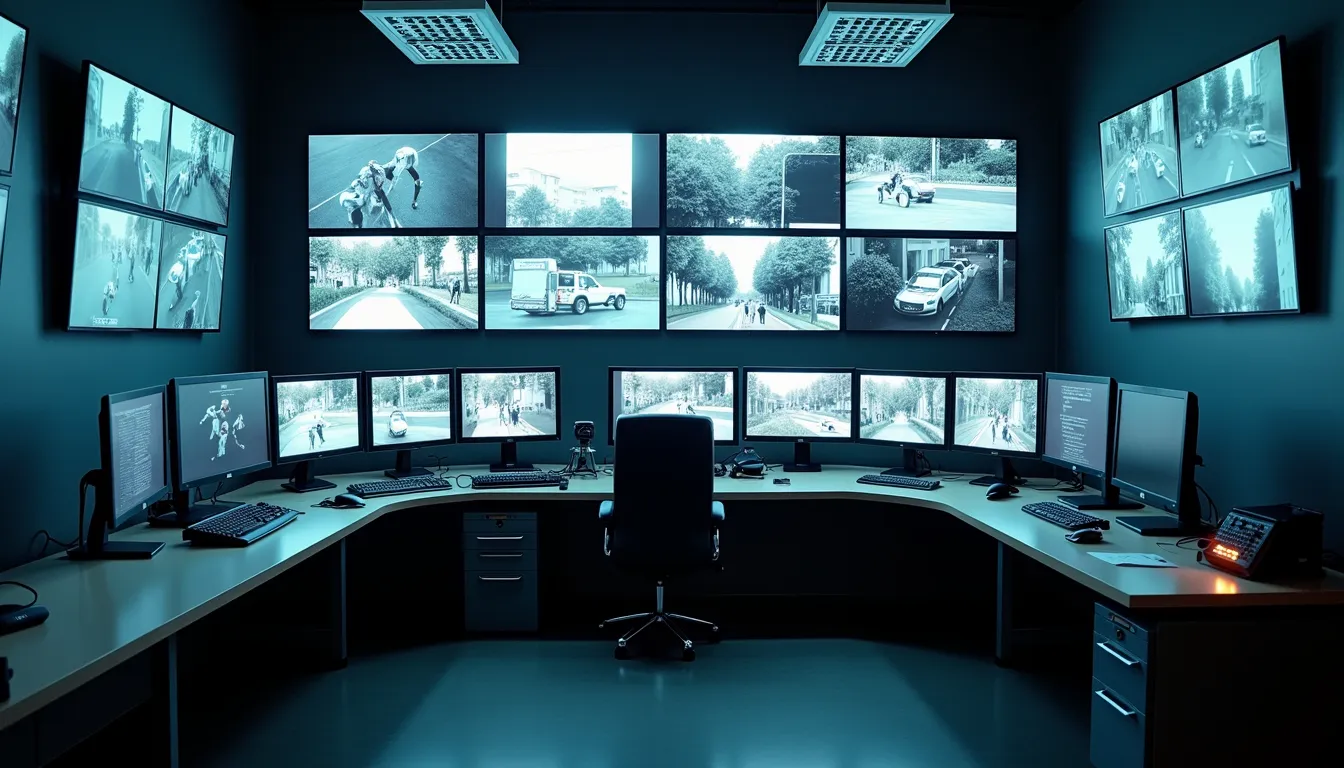
Stop crime on camera before damage is done
Remico puts live guards behind your cameras. AI spots a person or vehicle on the property, a trained guard watches the live video, speaks through the camera or sounds the siren, and contacts police when a real threat is confirmed.
- Live guards, not just alerts
- Talk-down through the camera
- Police contacted with verified video
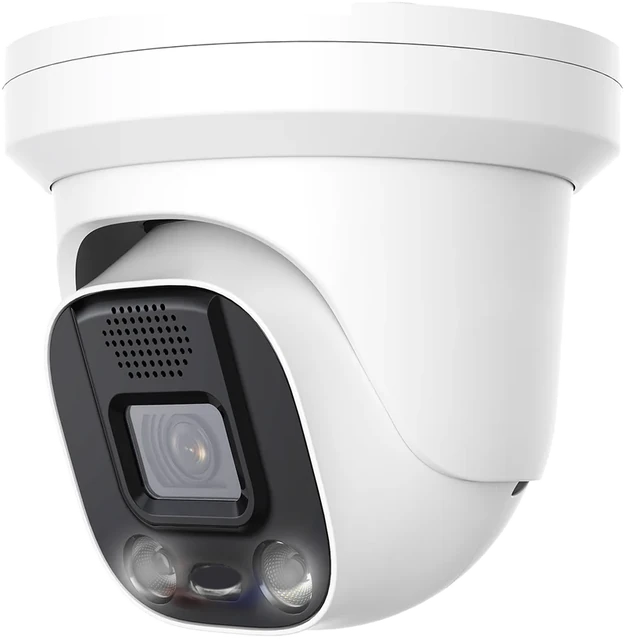
Detect, engage, respond
Recorded video tells you what happened. Monitored cameras let a live guard act while it's happening.
Cameras detect
Cameras stream to local AI that tells people and vehicles apart from routine motion and flags a potential threat in seconds.
Live guards engage
A guard watches every time someone steps onto the property and, if needed, speaks through the camera's two-way audio or sounds its built-in siren.
Instant response
If the person doesn't leave, the guard contacts law enforcement with a verified report of a crime in progress, not just an alarm going off.
Two ways to put guards behind your cameras
Both use AI to filter routine motion and trained guards to verify and respond. They differ in where the AI runs, which cameras they work with and what else comes with the service.
Deep Sentinel live guards
Local AI on site watches your camera streams and sends people and vehicle events to live guards, who talk down intruders, sound the siren and contact police.
- Guard intervention in about 10 seconds and police contact in about 30 seconds, as stated by Deep Sentinel
- Keeps a list of compatible cameras and supports ONVIF / RTSP streams
- Two-way audio and siren through supported cameras

Remico Cloud Video + guard monitoring
Remico's own cloud video service: cloud recording, cloud AI analytics and LPR for your cameras, with a live guard monitoring add-on. Runs through the cloud platform, with no extra hardware on site.
- Camera or cloud AI alerts go to a 24/7 monitoring center
- Guards verify the event, then follow your response plan: live talk-down, notifying your contacts or dispatching police
- Event-based or scheduled monitoring; alarm video verification for existing alarm panels
- Cloud storage from 7 to 90 days, plus long-term archive
Live guard monitoring vs an onsite guard
Coverage of the whole property, every night, for a fraction of what a single guard post costs.
| Live remote monitoring | Onsite security guard | |
|---|---|---|
| How it's priced | Per camera, per month, quoted for your site and schedule | Per guard, per hour |
| Coverage | Every monitored camera at once, 24/7 or on your schedule | Where the guard is standing or patrolling |
| Management | None for you: no scheduling, training or supplies | Training, scheduling, supervision and supplies |
| Evidence | Recorded video of the event and the guard's response | Guard's report; more room for human error |
| Atmosphere | Out of sight until needed | A uniformed guard can feel unwelcoming to customers |
Ask us for a quote: it depends on the service, camera count, monitoring hours and any cameras needed.
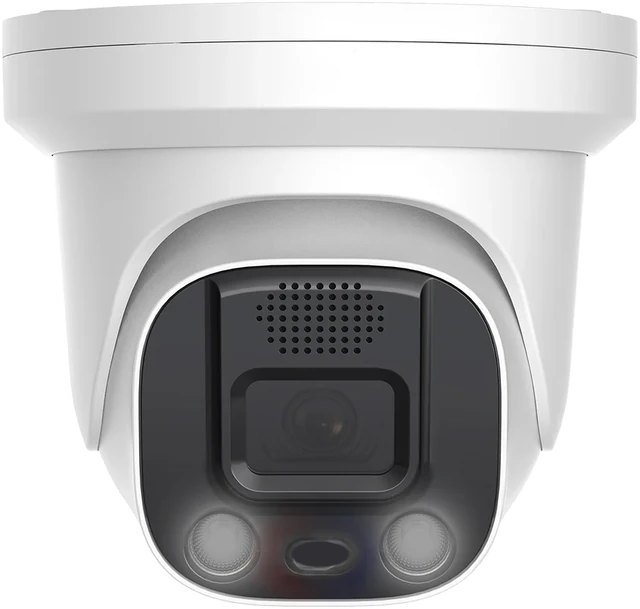
Proactive, not after the fact
Traditional alarms and cameras react once a crime has happened. Live monitoring lets a guard step in while someone is still deciding.
- Early response: a guard can intervene before a break-in, not after the alarm
- Fewer false alarms: guards check the video before calling police, so officers respond to real events
- Deterrence: a voice on the speaker and a siren send most people off the property
- Broad coverage: vehicles, equipment, packages, doors and lots in one view
- Multiple sites: businesses can have every location monitored at once
What monitoring adds to a camera system
Continuous oversight
Someone is watching after hours, weekends and holidays, without you dedicating staff to it.
Trained judgment
Professionals tell a real threat from a delivery driver or an animal, so you aren't woken by every motion alert.
Works with your system
Monitoring builds on cameras, lights, sirens and access control, with alerts on your phone or computer.
Incident records
Video and response logs show what happened and how fast, useful for police, insurance claims and spotting weak points.
Insurance
Some insurers offer lower premiums for professionally monitored properties. Ask your carrier.
Compliance
Some industries and leases require monitored security; logs document it for audits.
Five questions to ask any monitoring provider
- Response time: how fast does a person see the event and act?
- Live guard or alert center: does someone watch live video and speak to the intruder, or only forward alarms?
- Camera support: does it work with the cameras you already own?
- Customization: can monitoring hours and zones match your site and risks?
- Support and reputation: who do you call, and what do current customers say?
Where live monitoring fits
Car lots & dealershipsCatalytic converter and vehicle theft after hours.
Construction sitesEquipment, materials and copper theft overnight.
Warehouses & yardsTrespassing, fence lines and loading docks.
Retail & restaurantsBreak-ins, dumpster areas and parking lots after close.
Apartments & officesPackage theft, garages and common areas.
HomesDriveways, vehicles and packages, watched while you sleep.
Common questions
How is this different from a regular alarm monitoring service?
Can I use the cameras I already have?
What does it cost?
Which monitoring service should I choose?
Will guards call police for every alert?
Want guards watching your cameras tonight?
Tell us about your property and the cameras you have. We'll recommend a monitoring service and quote any cameras needed to cover the gaps.